Quality Play
Looking beyond activity to understand the depth of children's learning
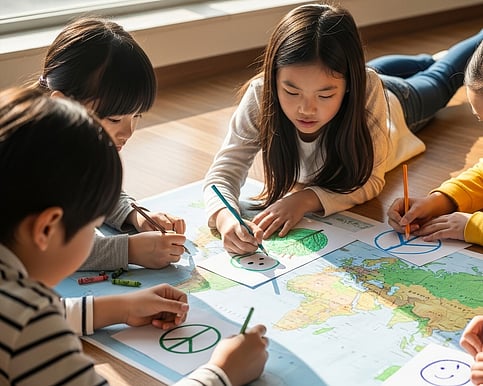
Children are naturally drawn to play, but not all play offers the same opportunities for learning. Some experiences are brief and repetitive, while others become increasingly complex as children test ideas, negotiate with others, solve problems and revisit their thinking over time.
Recognising this difference is important because the goal of play pedagogy is not simply to provide time for children to play. It is to create the conditions in which play can become increasingly rich, meaningful and intellectually engaging.
Quality play is therefore not something adults deliver to children, nor is it something that can be judged by how busy, happy or engaged children appear. It emerges through the interaction between the child, the environment, the materials, the relationships and the teacher's professional decisions.
Quality play is not defined by what children are doing. It is defined by what the play is allowing them to think, discover and become.
Depth matters more than appearance
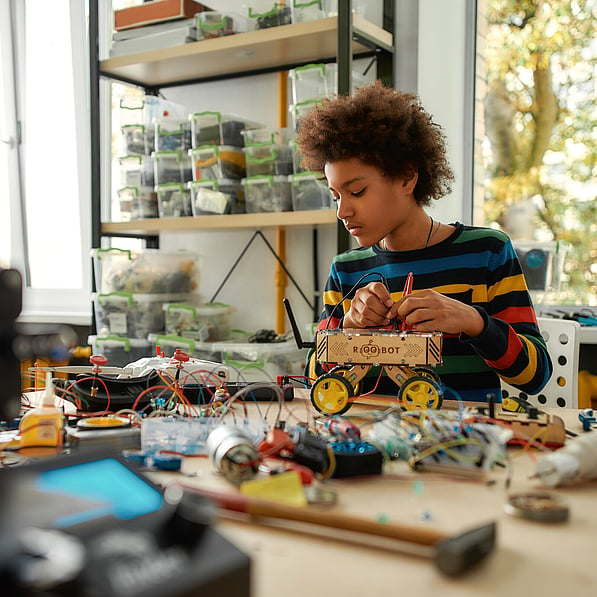
It is easy to mistake busy activity for meaningful learning. A classroom may appear energetic and purposeful, yet much of the play may remain repetitive or offer few opportunities for children to extend their thinking. Equally, an investigation that appears quiet or even uneventful from the outside may involve complex reasoning, collaboration and sustained problem-solving.
Looking beyond appearances requires teachers to become curious about the thinking beneath the play. What questions are children trying to answer? What ideas are they testing? How are they adapting their plans in response to new discoveries? These questions reveal far more about the quality of play than the activity itself.
They're "just" playing
Few phrases reveal more about our assumptions than, "They're just playing." Although it is usually said with good intentions, the word just suggests that play is somehow separate from serious learning, or perhaps even a distraction from it.
Yet many of the capabilities we value most in education—problem-solving, communication, creativity, collaboration, persistence and self-regulation—are developed most powerfully through rich play experiences. While these forms of learning may not always produce an immediate worksheet, test score or finished product, they often lay the foundations for deeper conceptual understanding in the weeks, months and years that follow.
This is one of the reasons quality play can be difficult to recognise. Much of the important learning is taking place beneath the surface, as children test ideas, revise their thinking, negotiate relationships and make sense of the world around them. The intellectual work is real, even when it does not immediately resemble traditional classroom learning.
When we begin to see quality play for the thinking it makes possible, we stop asking whether children are "just playing" and start asking what their play is helping them understand.
Complexity develops over time
Rich play rarely appears fully formed. Like any meaningful learning process, it evolves as children revisit experiences, refine ideas and build on previous discoveries.
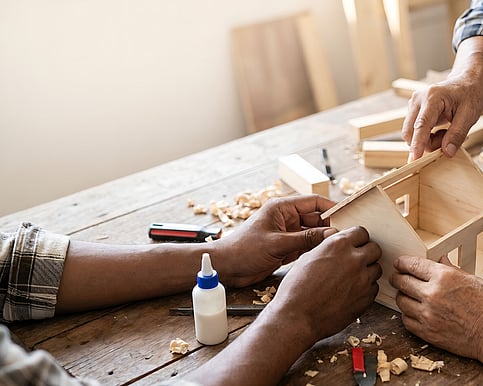
A game may begin with simple rules before becoming increasingly sophisticated as children negotiate roles and solve emerging problems. A construction project may be dismantled and rebuilt several times as new possibilities are explored. An imaginary scenario may grow more detailed as children draw on new knowledge and experiences.
This gradual increase in complexity is one of the strongest indicators that learning is continuing to develop. Quality play is not static; it has a sense of momentum, with each experience creating opportunities for the next.
Relationships enrich play
Many of the richest learning experiences occur when children think alongside others. Through conversation, collaboration and disagreement they encounter new perspectives, justify their ideas and negotiate shared understandings that would be difficult to develop alone.
Teachers also play an important role in this process. By observing carefully, introducing new possibilities, modelling language or participating thoughtfully in children's investigations, they can help extend play without taking ownership of it.
Quality play therefore grows through relationships. It is strengthened by interactions that encourage children to think more deeply while preserving their sense of agency and ownership.
Challenges keep play alive
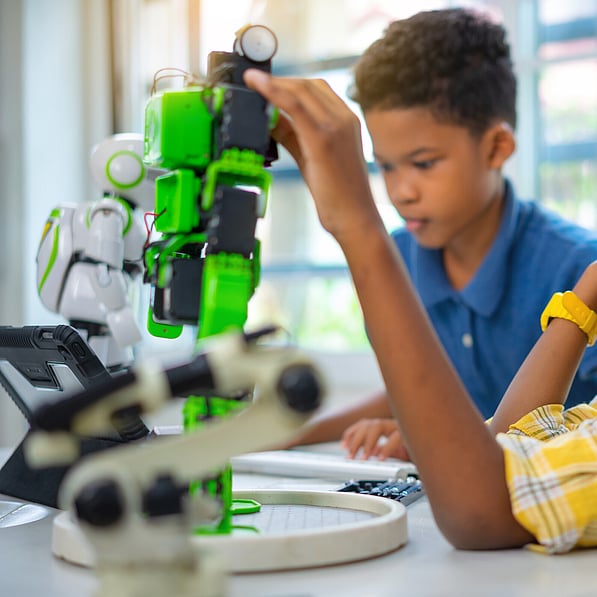
Children often remain deeply engaged when they encounter uncertainty. A problem that has not yet been solved, a structure that keeps collapsing or a question without an obvious answer can all become powerful reasons to persist.
This balance is important. Experiences that are too predictable may quickly lose their appeal, while those that are overwhelming can lead to frustration and disengagement. Quality play often sits in the space between these extremes, offering enough familiarity for children to feel confident and enough challenge to keep their curiosity alive.
Rather than removing every difficulty, effective teachers recognise that productive struggle is often part of meaningful learning.
What does this mean for practice?
Observing the quality of play begins with looking beyond what children are making or doing and paying closer attention to how their thinking is changing. Are they asking increasingly sophisticated questions? Returning to ideas over several days? Drawing connections between experiences? Collaborating in more complex ways than before?
These patterns provide valuable insight into the depth of learning that is taking place and help teachers make informed decisions about when to extend play, when to step back and when new experiences or resources might be needed. Supporting quality play is therefore less about directing children's activity and more about creating conditions in which increasingly complex thinking can emerge.
Pause and reflect
Which play experiences do children return to repeatedly, and what keeps drawing them back?
Where do you notice increasing complexity rather than simple repetition?
How do you know when play is becoming richer rather than simply lasting longer?
What evidence tells you that children's thinking is developing through their play?
Longworth Practice Guide
Ready to go deeper?
The Foundations of Play series is designed to introduce the key ideas that underpin high-quality play pedagogy. If you're ready to move beyond the foundations, Longworth Education offers practical professional learning that helps turn these ideas into confident classroom practice.
Whether you're an individual teacher looking to deepen your understanding, a leadership team supporting school-wide change or a school seeking ongoing coaching, we're here to help.