Learning Environments
Why the spaces children learn in influence what they think, notice and become curious about
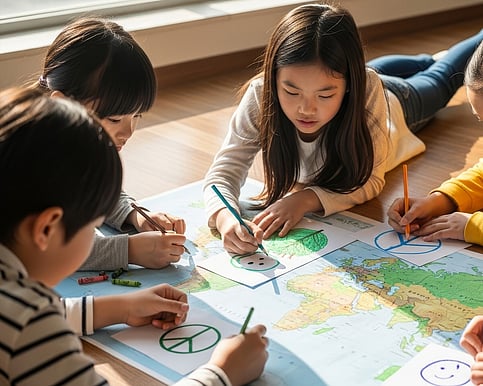
Learning environments are often described as the "third teacher", recognising that the spaces we create communicate messages long before a teacher speaks or a lesson begins.
Every classroom tells children something about learning. It signals what is valued, what is expected and what kinds of thinking are likely to take place. An environment filled with identical tasks and predetermined outcomes communicates something very different from one that invites curiosity, collaboration and exploration.
This is why learning environments deserve thoughtful attention. They do far more than organise furniture or store resources. They influence how children move, interact, solve problems, take risks and see themselves as learners.
Learning environments do not simply contain learning. They actively shape it.
Every environment sends a message
Children begin interpreting their environment the moment they enter a space.
Without saying a word, a classroom communicates answers to important questions.
Is curiosity welcomed here?
Can I move?
Will my ideas matter?
Am I expected to solve problems or wait for instructions?
These messages are rarely intentional, yet they influence children's behaviour every day.
Rather than asking whether an environment looks attractive, it can be more helpful to ask:
What is this environment inviting children to do?
The environment should invite thinking, not simply activity
Busy classrooms are not necessarily rich learning environments.
Children can be surrounded by colourful resources, commercial displays and endless activities yet have very few opportunities to think deeply.
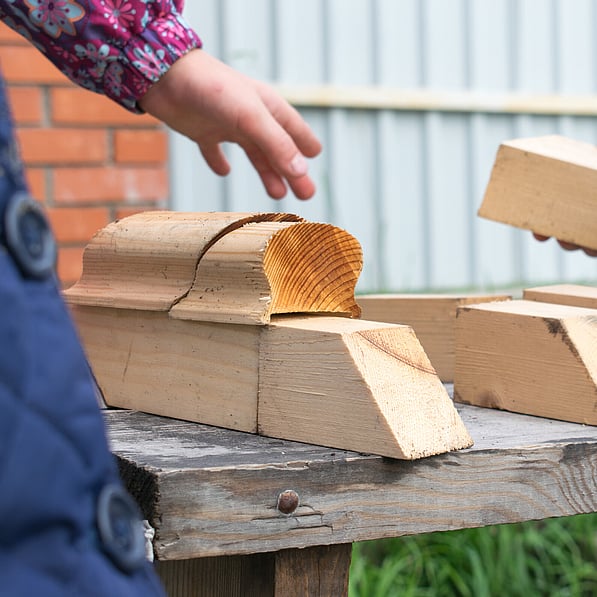
Equally, a simple environment containing carefully chosen open-ended materials may invite sustained investigation, collaboration and creativity.
The quality of an environment is therefore determined less by how much it contains and more by what it makes possible.
An effective learning environment creates opportunities for children to ask questions, test ideas, revisit their thinking and solve problems that matter to them.
The goal is not to keep children occupied.
It is to keep them intellectually engaged.
Access influences agency
One of the simplest ways environments shape learning is through access.
Children cannot investigate possibilities they cannot reach.
When resources are hidden, locked away or controlled exclusively by adults, children become dependent on permission. When materials are visible, organised and accessible, children are better able to make decisions, test ideas and follow their curiosity.
This does not mean every resource should always be available. Teachers make thoughtful decisions about which materials are offered, when they are introduced and how they are organised.
The important question is whether the environment encourages children to become increasingly independent thinkers rather than increasingly dependent learners.

Flexible spaces support flexible thinking
Learning rarely follows a single pathway. Across a day, children may need opportunities to work with others, retreat into quiet concentration, move physically, develop a story, test an idea or return to a problem they have not yet resolved. Environments that can adapt to these different ways of learning give children greater freedom to shape the space around their intentions.
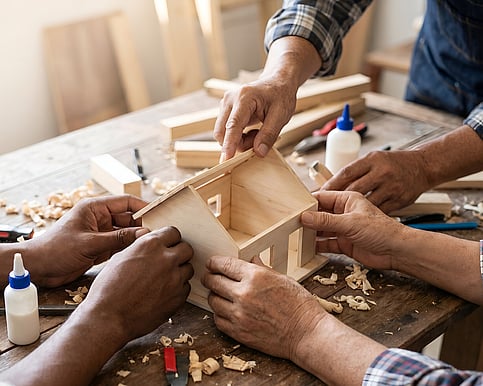
A table, for example, might support scientific investigation one day and collaborative writing the next. Blocks can become the basis for architectural design, storytelling or mathematical problem-solving, while a quiet corner may offer space for reading, planning or creating. Open-ended materials are valuable precisely because they do not determine the learning in advance; their purpose develops through the ideas children bring to them.
The most powerful environments are therefore not those that prescribe exactly what should happen in each space. They are those that remain flexible enough for new purposes, questions and possibilities to emerge.
The environment reflects the teacher's values
Every decision about a learning environment communicates something about what the teacher believes children are capable of. The materials that are made visible, the resources placed within reach, the work chosen for display and the ways children are invited to gather, move, collaborate and create all shape the messages the space sends.
An environment that supports exploration, independence and sustained thinking tells children that their ideas are worth pursuing. By contrast, when materials have only one permitted use and spaces are organised around predetermined outcomes, children receive a much narrower message about what learning should look like.
The environment is therefore not separate from pedagogy. It is one of the clearest and most visible expressions of it.
What does this mean for practice?
Creating a powerful learning environment is not about buying more resources or replicating someone else's classroom.
It begins by becoming curious about your own.
Spend ten minutes simply observing.
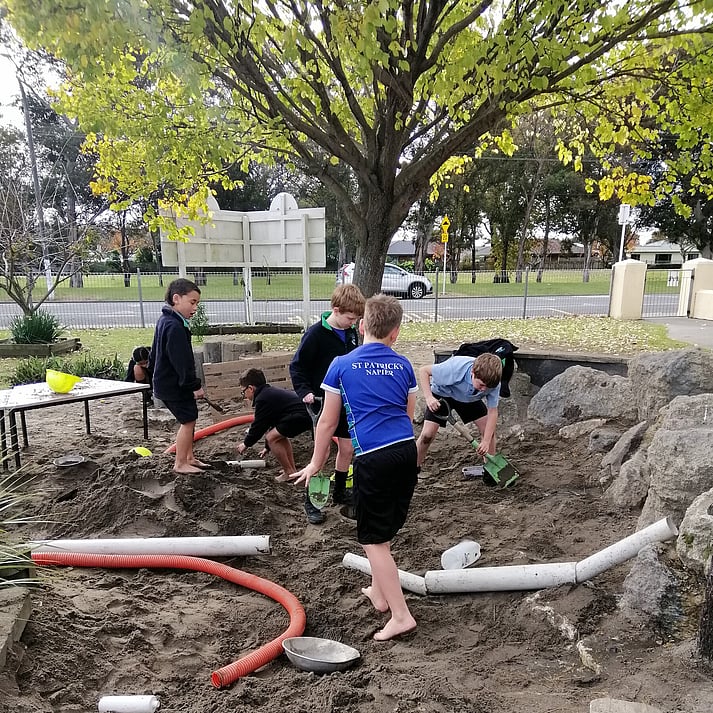
Notice where children gather, what they return to, what they ignore and where they become most deeply engaged.
Ask yourself:
What opportunities for curiosity already exist?
Which spaces encourage sustained thinking?
Where do children encounter unnecessary barriers?
What small change might create new possibilities?
Often, the most significant improvements come not from adding more, but from removing distractions, improving access or reorganising spaces to better support children's thinking.
Longworth Practice Guide
Ready to go deeper
The Foundations of Play series is designed to introduce the key ideas that underpin high-quality play pedagogy. If you're ready to move beyond the foundations, Longworth Education offers practical professional learning that helps turn these ideas into confident classroom practice.
Whether you're an individual teacher looking to deepen your understanding, a leadership team supporting school-wide change or a school seeking ongoing coaching, we're here to help.